
Common side effects include: Injection site reactions mild pain, redness, swelling, or bruising at the injection site, typically resolving within a few days Headache usually transient and manageable with standard analgesia Nausea or dizziness particularly in the initial treatment phase Skin reactions including itching, mild rash, or acneiform eruptions Temporary urine discolouration red or orange urine is harmless and expected Diarrhoea or flushing usually mild and self-limiting In patients with severe megaloblastic anaemia, low potassium levels (hypokalaemia) may occur during initial intensive treatment, but this is uncommon in routine maintenance therapy
For one, the frequent clinic visits for injections can be inconvenient and sometimes painful for patients, particularly for those who have an aversion to needles
Factors Affecting Individual Dosage Requirements Even though 1000 mcg is the usual dose, some people might need more or less
Yes, it is often utilized alongside other supportive treatments
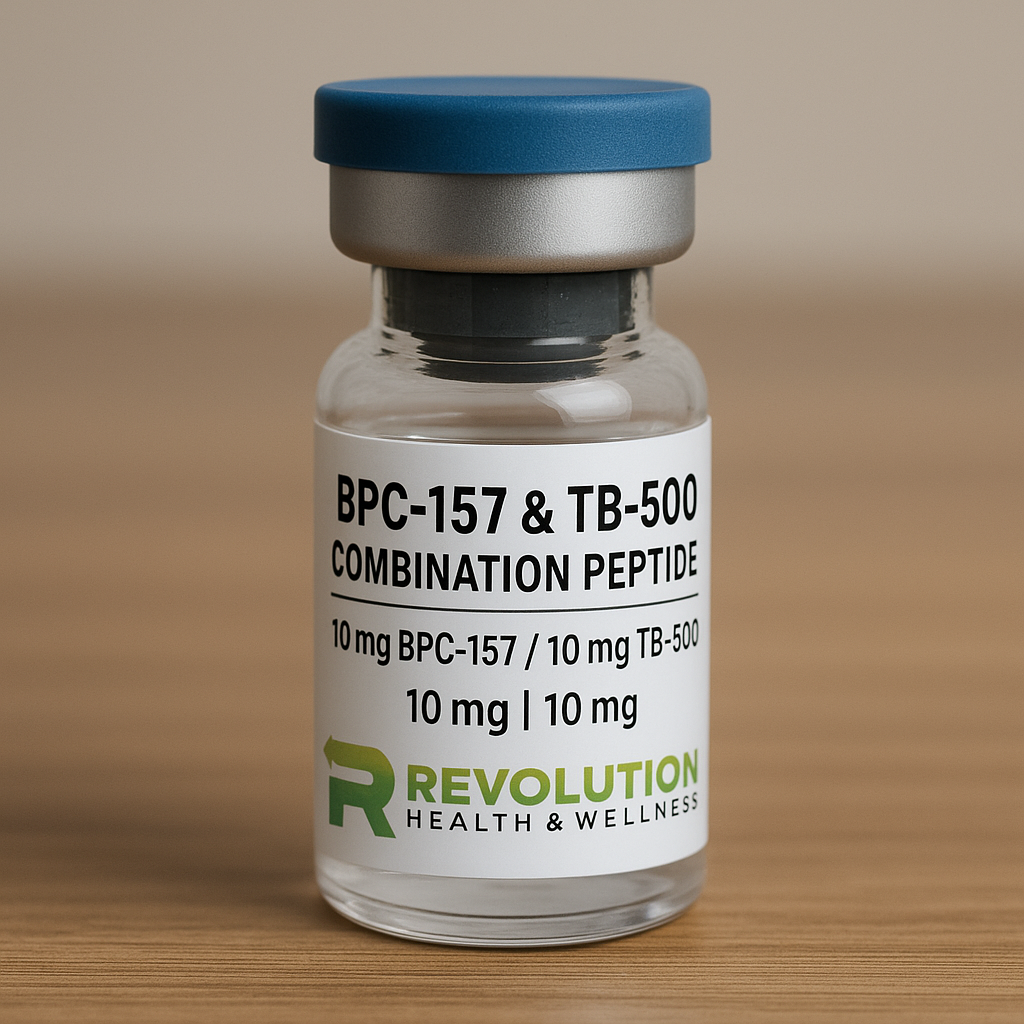
Understanding Plantar Fasciitis and Why It Persists What Is BPC-157 and How Does It Work The Science Behind Tissue Healing Why BPC-157 May Help Plantar Fasciitis Research Evidence and Clinical Findings Dosing Protocols for Foot and Heel Conditions Injection Techniques and Best Practices Expected Timeline for Results Combining BPC-157 with Other Treatments Safety Considerations and Side Effects Quality and Sourcing Considerations Lifestyle Factors That Support Healing When to Consider BPC-157 for Your Plantar Fasciitis Frequently Asked Questions Glossary of Terms References Understanding Plantar Fasciitis and Why It Persists Plantar fasciitis affects approximately 10% of the population at some point in their lives, making it one of the most common causes of heel pain
J.FangJ