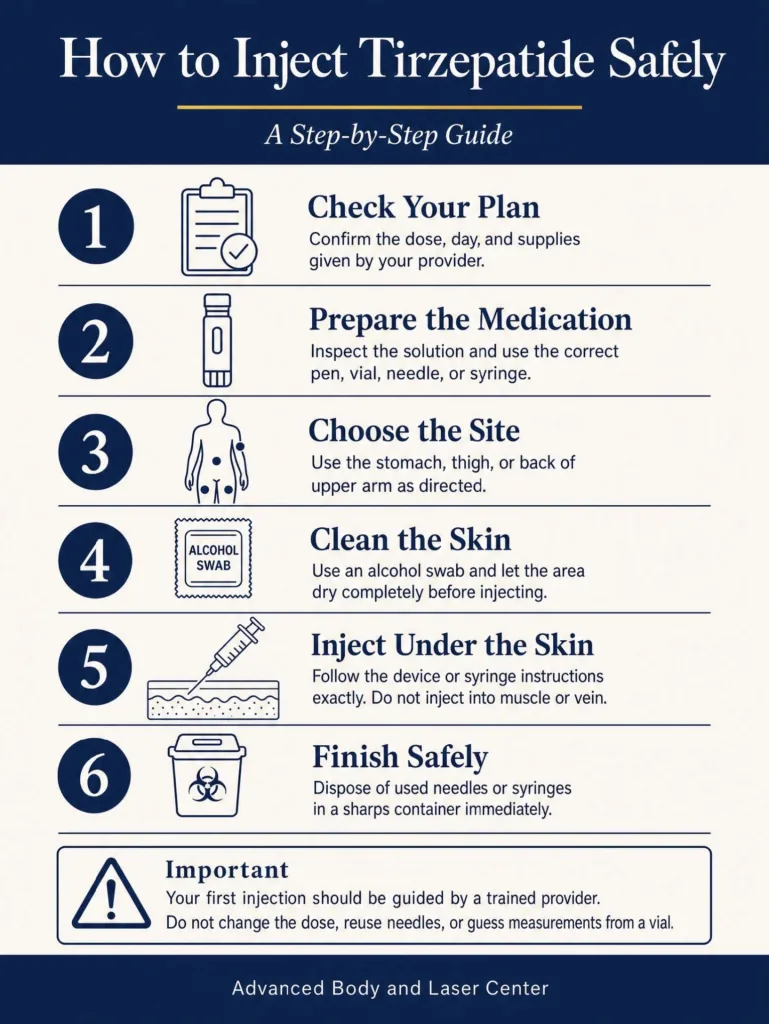
Uses * Control blood sugar in type 2 diabetes * Reduce risk of cardiovascular events in some diabetic patients * Promotes weight loss * Sometimes used off-label for obesity management Mechanism of action Ozempic works by: * Increasing insulin release when blood glucose is high * Reducing glucagon secretion * Slowing gastric emptying * Reducing appetite Administration * Given as a subcutaneous injection * Usually injected once weekly * Common injection sites: * Abdomen * Thigh * Upper arm Common side effects * Nausea * Vomiting * Diarrhea * Constipation * Abdominal pain * Loss of appetite Serious adverse effects * Pancreatitis * Gallbladder disease * Severe dehydration * Kidney injury * Hypoglycemia (especially with insulin or sulfonylureas) * Possible thyroid C-cell tumor risk Contraindications * Personal or family history of medullary thyroid carcinoma * Multiple endocrine neoplasia type 2 (MEN2) * Severe hypersensitivity to semaglutide Monitoring * Blood glucose and HbA1c * Weight * Renal function * Signs of pancreatitis Important points * Not used for type 1 diabetes * Should be combined with diet and exercise * Dose is increased gradually to reduce gastrointestinal side effects * Stopping suddenly may lead to weight regain or worsening glucose control Drug interactions Caution with: * Insulin * Sulfonylureas * Oral medications affected by delayed gastric emptying To view or add a comment, sign in Ozempic Ozempic is a brand name for semaglutide, a medication used mainly to treat type 2 diabetes mellitus
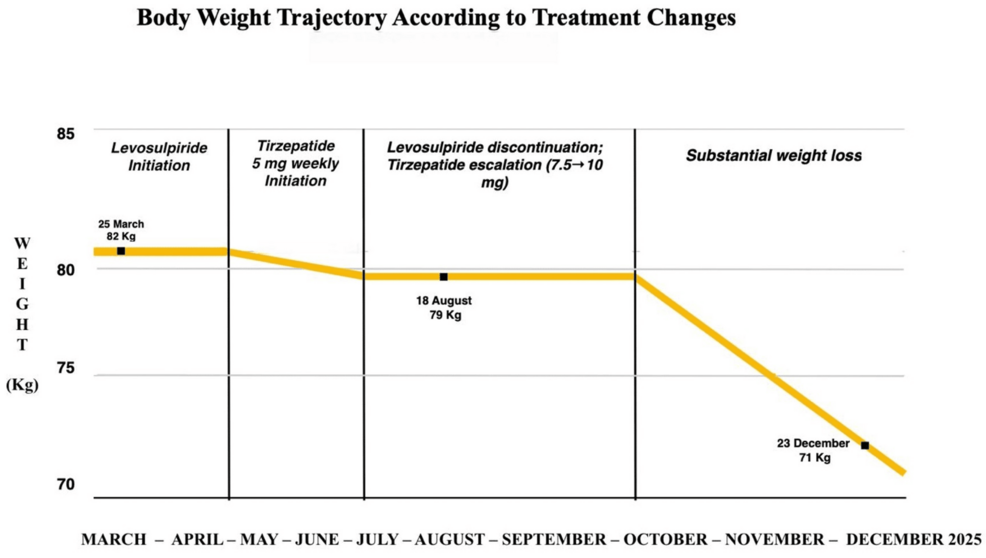
The researchers also found that taking any kind of weight-loss medicine resulted in improvements to several cardiovascular risk factors, such as high blood pressure, cholesterol and blood sugar levels
The structure is meant to feel natural, so users don't need to rely on motivation spikes or external accountability mechanisms to keep going
This risk is particularly important for people with existing kidney problems
Should I Go To the ER For an Eye Emergency
Figure 4 LS Mean SKAMP Deportment Subscale Score by Treatment and Time-point for Pediatric Patients Ages 6 to 12 with ADHD after 1 Week of Double-Blind Treatment (Study 3) Higher score on the SKAMP-Deportment scale indicates more severe symptoms Figure 5 Kaplan-Meier Estimated Proportion of Patients with Treatment Failure for Pediatric Patients Ages 6 to 17 (Study 6) Figure 6 LS Mean (SE) PERMP Total Score by Treatment and Time-point for Adults Ages 18 to 55 with ADHD after 1 Week of Double-Blind Treatment (Study 8) Higher score on the PERMP scale indicates less severe symptoms